
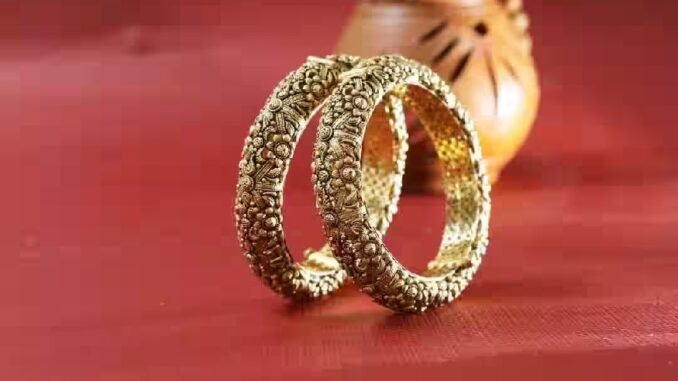
India’s gold markets often carry the distinct imprint of local industry and livelihood, and this becomes especially clear when comparing a farming-dependent town in Maharashtra with a craft-renowned city in Uttar Pradesh. In the heart of the Marathwada region, where cotton and soybean cultivation form the backbone of the local economy, residents checking the gold rate today in Parbhani typically time their most significant purchases around the completion of harvest sales, when farming households finally have the disposable income needed for substantial family investments. Meanwhile, in the city long celebrated for its centuries-old glass bangle industry, shoppers following the gold rate today in Firozabad bring a different sensibility to their purchases, one shaped by generations of exposure to fine craftsmanship and intricate ornamentation, even though the city’s fame rests primarily on glasswork rather than precious metals. Both towns, despite their entirely different economic identities, continue to demonstrate how gold remains a constant thread woven into the financial and cultural fabric of communities across the country, regardless of what industry defines their local economy.
Parbhani’s agricultural roots create a gold-buying trend which follows the crop cycle, surging in the months after major harvests have been made. This puts a strain on local jewellers to stock the right amount of gold and staff in advance for a period of intense buying followed by a lull where the money has been mostly spent or saved.
Craftsmanship Heritage Influences Buyers’ Expectations In Firozabad
Firozabad’s status as a town of skilled artisan work may have centred around glass bangles and glassware but its residents have an enhanced sense of value for fine craftwork in general, which has bled into their attitudes when buying gold jewellery and buying gold, with many buyers in the town putting the quality of workmanship and the intricacies of the design on equal footing with the price when considering different jewellers.
Read More: The impact of gold processing on buyers and sellers
The local jewellers in Firozabad have been able to cater to this niche of buyers by working with skilled goldsmiths who can deliver intricate and high-quality pieces gold jewellery to the exacting standards of the locals, who have a deep-seated appreciation for quality craftsmanship across different mediums of artisan work in the region, resulting in the town having a reputation for quality gold work beyond its size, drawing buyers in from the surrounding towns seeking out well-made pieces of gold jewellery.
Seasonal Income Influencing Buying Season In Parbhani
In Parbhani, the association of gold with income is especially evident, as the district is still largely reliant on rain-fed farming and the variable income that comes with the crop cycle that many families in the region follow, with local jewellers offering gold payment plans and gold savings schemes that let families make smaller payments throughout the year and a larger one at harvest time when the money is more plentiful.
The association of gold with agriculture in Parbhani means that wider economic conditions affecting farming, such as favourable or unfavourable monsoon seasons and shifting crop prices, can also affect the local jewellery market in the region, with families planning larger gold purchases in better agricultural years and being more hesitant to buy gold in lean years.
Purity Standards And Payment Trends Across Both Markets
Despite the different economic undercurrents affecting the jewellery markets of the two towns, buyers from both Parbhani and Firozabad can be seen to put a premium on purity, both in the hallmarking system provided by the Bureau of Indian Standards and in the workmanship of the gold jewellery, with few buyers in either town willing to take a chance on sub-standard gold weight or low-karat gold.
Payment trends in both towns have seen a move towards greater accountability, with most transactions being digital and having proper billing, particularly for large cash purchases that are regulated by government guidelines, while local jewellers’ associations serve to keep daily prices of gold jewellery across member shops in check, offering buyers a sense of price constancy despite the fluctuating economic conditions in either town.
As the shifting economic currents of the national and international markets begin to make their way into the gold markets of Parbhani and Firozabad, buyers in both towns should take care to compare prices across local jewellers while carefully assessing hallmark certifications and factoring in making charges to get the best value gold jewellery in the region.
Read More: A Closer Look At Gold Buying In Two Western Cities
Ultimately, the differing approaches to gold as a purchase in the agricultural Parbhani and artisan-centric Firozabad, whether dictated by the capriciousness of nature or the discipline of tradition, serve as a reminder to gold buyers in the region that gold is a versatile metal that can bend to fit the needs and desires of the buyer, despite the economic forces that dictate its value in the larger scheme of things.
Leave a Reply
You must be logged in to post a comment.